
Why Fresh Flower Delivery Matters (and How Florists Keep Blooms Fresh)
Why Fresh Flower Delivery Matters (and How Florists Keep Blooms Fresh)
Fresh flower delivery depends on controlling three things: temperature, hydration, and handling. Reputable florists protect blooms throughout their journey so arrangements arrive looking as fresh as they did in the studio.
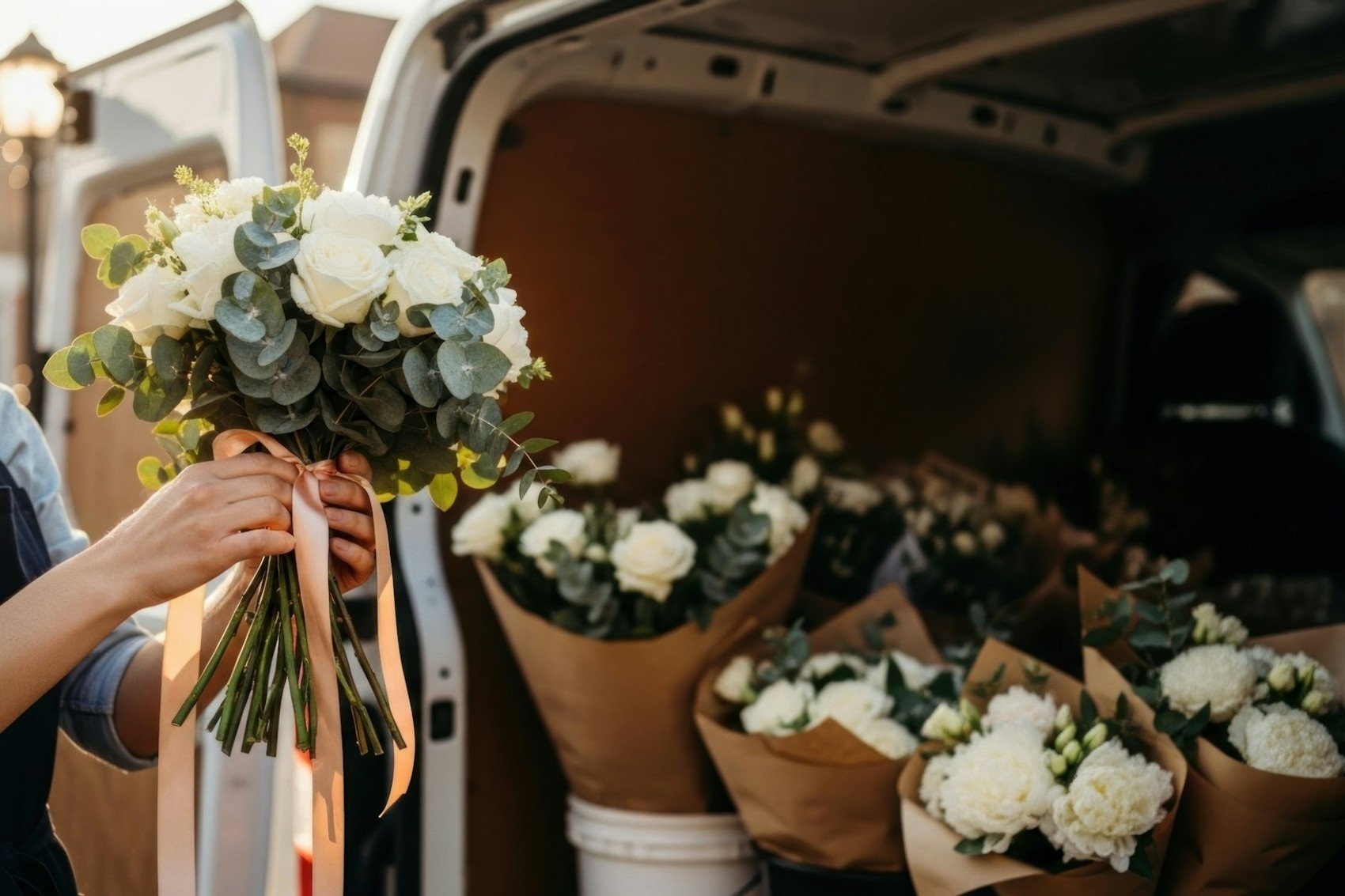
Fresh flower delivery depends on controlling three things: temperature, hydration, and handling. Reputable florists keep cut flowers in a consistent 34°F to 38°F range from harvest through delivery, use nutrient-rich water to keep stems hydrated, and transport arrangements upright to avoid crushing or shifting.
Skipping any of these steps shortens vase life and damages the design.
Key Takeaways
- Temperature control: The "cold chain" is the single biggest factor in how long delivered flowers stay fresh.
- Proper hydration: A flower can droop even while sitting in water if its stem cannot absorb moisture correctly.
- Careful handling: How flowers are transported affects whether the arrangement arrives looking the way it was designed.
- Parcel shipping: Standard shipping can interrupt all three safeguards, which is why boxed bouquets may arrive wilted or bruised.
Every Bouquet Has a Journey
A beautiful arrangement should look just as good on arrival as it did the moment it left the florist's cooler. Anyone who's ordered flowers online and opened the box to a handful of sad, drooping petals knows how disappointing that gap can be.
That gap almost always comes down to logistics, not design. A florist can build a gorgeous arrangement and still lose most of its impact if it isn't handled correctly on the way to your door.
When you're looking into flower delivery near you, it's worth understanding what actually keeps flowers fresh in transit, and why not every delivery method gets it right.
The Cold Chain: Why Temperature Is Everything
Once a flower is cut, its internal clock starts running. Warmer temperatures speed up respiration, which depletes the flower's energy reserves and causes it to wilt more quickly.
To slow that process, the floral industry relies on the "cold chain" — an unbroken chain of refrigerated storage and transport from harvest to delivery. According to FloraLife, a leading authority on floral care and handling, the ideal range for most cut flowers is a steady 34°F to 38°F. Even a swing of a few degrees can measurably shorten a flower's vase life.
This is also where standard parcel shipping tends to fail. A cardboard box on an unrefrigerated delivery truck can sit well above 80–100°F during peak season, and once the cold chain breaks, that damage generally can't be undone. Industry data on postharvest handling shows flowers can lose a significant share of their remaining vase life once temperature control is interrupted.
Hydration: Why Water Alone Isn't Enough
Flowers are mostly water, but a cut stem doesn't always drink the way you'd expect. Tiny air bubbles can form inside the stem's vascular tissue and block water from reaching the bloom, which is why a flower can still droop even while sitting in a full vase.
Professional floral care typically involves a few extra steps to prevent this:
- Re-cutting stems at an angle: Often done right before arrangement or delivery to help prevent air blockages.
- Using pH-balanced water: Hard water or high chlorine levels can limit how effectively stems absorb moisture.
- Adding floral preservative: A mix of carbohydrates and mild bactericides helps feed the bloom and keep the water clean.
These steps are standard practice across the floral industry, not a proprietary trick — but they make a real difference in how long an arrangement lasts.
Handling: The Other Half of Freshness
Temperature and hydration solve the biological side of freshness. Physical handling solves the rest.
Standard parcel shipping wasn't built for flowers. Boxes get stacked, dropped down chutes, and jostled on their sides, which can bruise petals or snap delicate stems.
That's a structural problem, not a care problem — even a perfectly hydrated, perfectly chilled flower can still arrive damaged if it's handled roughly.
Florists who manage their own local delivery generally transport arrangements upright and secured, rather than boxed flat, specifically to protect the design the florist spent time creating.
A focal flower buried under other stems, or a bouquet that's shifted sideways, isn't just a cosmetic issue — it changes the balance the designer intended.
Frequently Asked Questions
Q: Why do shipped flowers sometimes arrive looking crushed?
A: Flowers shipped through standard parcel services are often packed flat
into boxes to save on shipping costs, which compresses the blooms.
Some flowers recover once placed in water, but many suffer petal bruising
or creasing that doesn't fully bounce back.
Q: What temperature should cut flowers be kept at?
A: Most cut flowers do best in a consistent range of 34°F to 38°F,
according to floral industry care guidelines. Temperatures outside that
range — too warm or below freezing — both shorten vase life, just for
different reasons.
Q: Does hydration matter as much as temperature?
A: Yes. Even flowers kept at the right temperature can droop if their stems
can't absorb water properly. That's why professional florists re-cut stems
and use pH-balanced, nutrient-treated water rather than relying on plain tap water.
Q: How can I make my delivered flowers last longer at home?
A: Trim the stems again once they arrive, change the vase water every couple
of days, and keep the arrangement away from direct sunlight and heat sources.
These are the same principles florists use during transport, just applied at home.
Q: Should someone be home to receive a flower delivery?
A: It's generally recommended, especially in extreme heat or cold, since
flowers left outside for long periods can be exposed to temperatures that
shorten their vase life. Most local florists will look for a shaded,
protected spot and reach out to the sender or recipient if no one is available.
Where Flower Imagination Fits In
Flower Imagination was founded by Yuliya Petrova, who trained in floral design in Switzerland and Holland before establishing herself as one of the top florists in St. Petersburg.
Today she leads a full design team out of the studio on South Temple in Salt Lake City, recognized by Florists' Review's "125 Florists to Be Celebrated" list and named Best Florist in Salt Lake City by the Quality Business Awards.
Industry-standard principles of temperature control, proper hydration, and careful handling are what it takes to get a design from our studio to your door looking the way it should.
A Fresher Delivery Starts With the Right Florist
The difference between a flower delivery that disappoints and one that impresses usually comes down to the details covered here: temperature, hydration, and handling.
Choosing a local florist who understands and follows these standards helps ensure your arrangement arrives as it was designed to look.